Hello! It’s been a hot minute since I last updated this blog so here’s a quick rundown of stuff I got planned/
The whole reason I started making this website/blog was to update my portfolio and share it to my grad applications last fall. While I’m not sure how much it has affected it, it does put into perspective the things I have accomplished over the years and still have yet to complete . T-T
As for grad school, I finally heard back from all my applications last March. So I had 3 options for masters: USC M.S, UCLA M.S, and UC Berkeley MEng. I am thankful that I am able to struggle deciding between multiple choices and pick the best location for me as opposed to undergrad where I ended up with basically one option only.
The quick summary of visit days and info sessions and my overall impression and what led to my decisions
USC
I remember touring USC back in high school and recognizing how pretty the campus was from the private school funding. I have been to the USC campus quite a number of times in the past years because one of my close friends from high school is doing his PhD here, so I do get the personalized campus tour and sneak preview of the chemistry building. In addition, I was sorta familiar with the PhD mentality/attitude, albeit from the chemistry department, so I had hopes for the master program that people were also as eccentrically motivated.
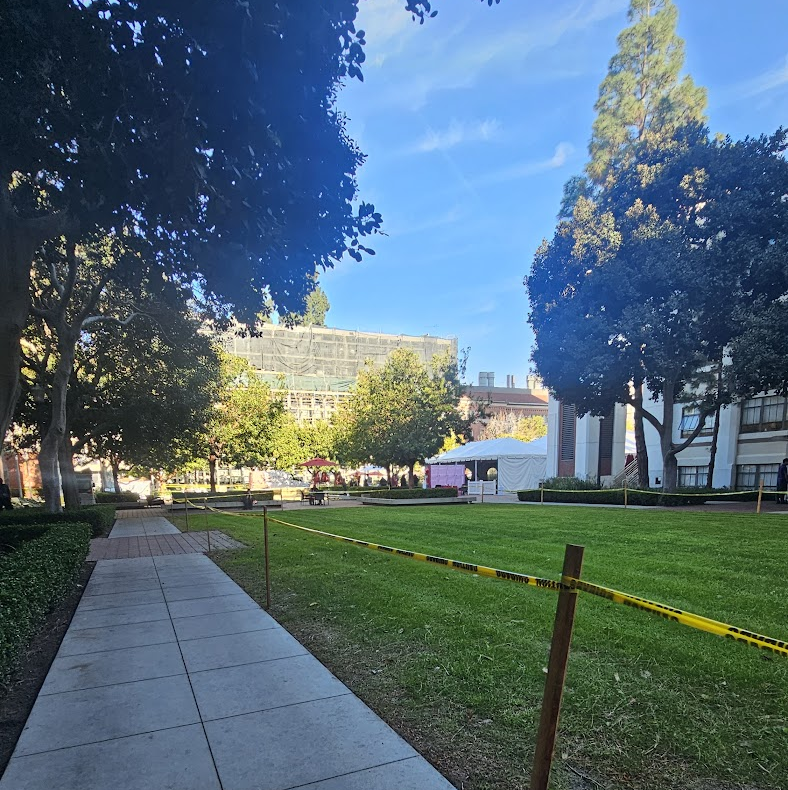
However, as soon as I joined the visit day to see other engineering candidates and how the program carries themselves, I immediately felt out-of-place. In part I felt like I stepped into the wrong tax bracket, but mainly it was the lack of push for academia involvement for a master of science, which was my intention to returning to school. Also, the prospective students I talked to while at the visit day either were straight out of undergrad, tuition paid out of pocket (which is crazy to me for a private tuition), and interested in USC just because of the name… or is funded by their company. Either background not inherently inferior/superior to others, but it just wasn’t something I felt a connection to.
USC and their mechanical engineering program is well connected to the SoCal aerospace industry and their M.S focuses on industry connection a lot. Weirdly enough, I got the impression that networking relied less upon merit and academic achievement but rather on their Trojan network, akin to a frat/sorority family. This did pair well with the student and staff advice that one of the best parts of USC master program is all the partying you could be doing. For those who are interested in extending out the undergraduate experience, experiencing a tight social community, and being able to network out into the industry, USC would be a good consideration. But I will have to pass.
[Anytime I feel anxious/out-of-place in a social setting, I tend to sneak out. Thankfully I could just kick back with my friend in the AC’d chem building.]
… they also blasted our ears off with a small marching band …
UCLA
UCLA was a campus I had no image/impression in mind. I had applied to UCLA as a last minute addition because I realized as I wrote my SOP they had a robotics lab, ROMELA. I considered my SOP to be not as tailored as the others, so you can imagine my surprise when the offer came in.
This was also my first campus tour, so I had so much nerves coming in reconnecting with an academic group since graduating 3 years ago. However, my nerves were quickly resolved after hearing the introductory speeches and walking around with other students.
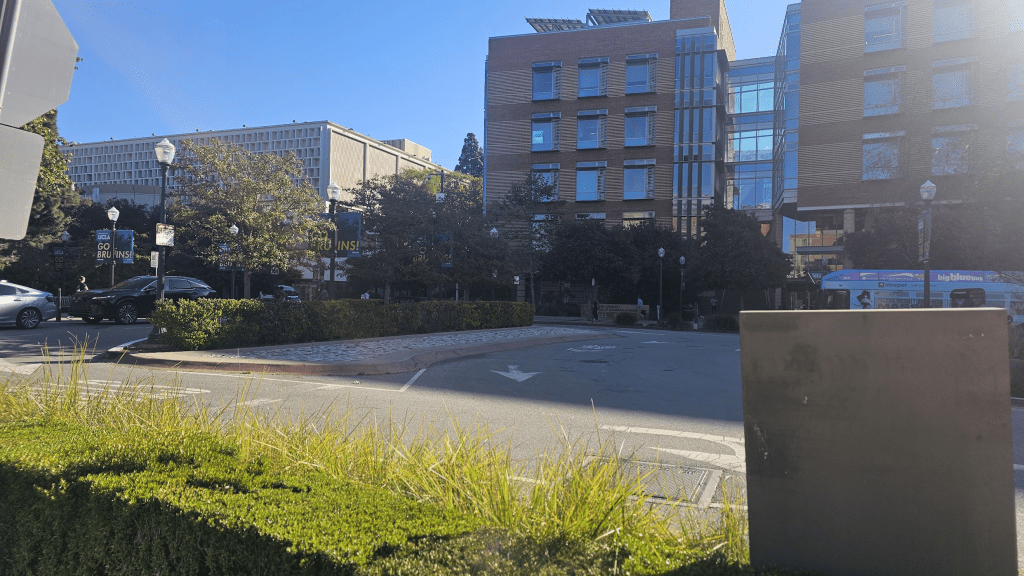
The first big impact UCLA had on me was the department introduction, as they showcased all the research labs available within the ME department. Spoiler…it’s a lot. This tour was also a showcase not just for prospective M.S students but PhD students so we essentially got front row seats to open lab recruitment. All 30+ lab directors personally did a rapid fire introduction to their lab.
There were quite a decent number of robotics labs at UCLA, some more theoretical than others, but of course I was here to see ROMELA. The professor, Dennis Hong, did his lab introduction by yapping at 80mph about the cool things they get up to because they design everything in-house and for outside clients sometimes like Hollywood. I was pretty sold and excited to see the lab tours later
While we all did lab tours, it was fun chatting to other students and their motivations. A lot of people I talked to were also master students but each had high aspirations for research involvement on the level of PhD students, whether that be with haptic research or organic rocket fuel. After working for years with coworkers who are either very contempt with their life, done with school a long time ago, or have slowly given up on going back to school, it was so refreshing to hear passionate researchers.
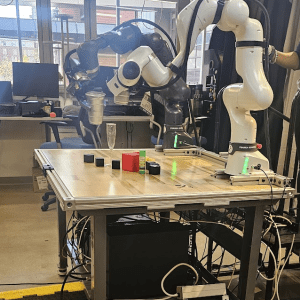
UCLA facilities. Their makerspace, amazing. I got so so excited seeing all the machines being used, students being trained in the machine shop, and a community around making.
Then the ROMELA lab. It is located in a shared wing with other robotics labs but ROMELA and their professor is definitely proud of their achievements over the years. Showcasing all their robots, showing the awards for papers students have wrote, pointing out the souvenirs the professor took from being on Robot Cup and MasterChef. That man is definitely meant for the cameras.
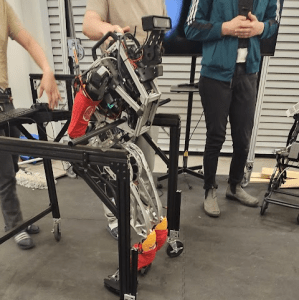
Seeing the prototype robots made me so giddy inside and they demoed their walking robot. The professor had noted that the lab is transitioning away from legged locomotion and starting research in hand actuation, since legged research is starting to become too popular. Perfect for me since I was originally inspired to do research because of hand actuation, and even more so because they design things in house. Back in undergrad research, I was discouraged a bit by research because I heard advice that mechanical design was pretty much a solved problem in robotics (which may still be true), so the UCLA lab members saying otherwise was encouraging.
UCLA ended their tour day with a social with prospective and current students. That was great to meet new people, one of the current PhD researchers came by and dropped some extremely insightful info on UCLA. He had a ‘no fucks given to BS’ attitude since he is helping set up a brand new lab, which made his comments very funny and blunt.
Overall, I came out of the tour with confidence that this could be the place for me. I envisioned myself comfortably being here, walking around campus and while taking the public transport back to my USC friend’s place to crash on his couch for the flight next morning.
This decision was not easy to make though, as UC Berkeley offer letter released a few days after and really made me consider what I wanted most out of a program. UCLA might’ve appeared shiny and hints of a pipe dream of experiencing life in entertainment/creative tech, but there are much much bigger things to account for like location, academics, and the actual industry I want to be in.
UC Berkeley
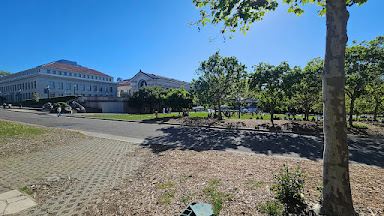
I have grown up in the Bay Area and my original intention was to attend either Stanford or Berkeley to stay here and stay in the industry. Berkeley’s program however was a Master of Engineering, a 9 month terminal masters intended to jumpstart students into industry as opposed to PhD research. They do not offer terminal Master of Sciences, it is only offered as part of the PhD track. This fact made is hard to decide between UCLA’s research focused MS or Berkeley’s seemingly industry focused MEng
I had a lot of questions regarding this distinction so I emailed the advisors ahead of the info sessions to help resolve my confliction. The MEng program only allows 4 technical electives, sprinkled with other leadership and entrepreneurship classes and a program-long capstone project. If I wanted to keep my option open to PhD research, considering how research-heavy robotics is inherently, I wanted to make sure I am not limiting myself academically.
Thankfully, the program advisors and the engineering advisors were immediately available. They provided me with some advice on common course plans control theory students take, although the exact course plan will change once the fall 2026 course list is confirmed.
I had dug through all the past years for courses available and cross-references their syllabuses with UCLA’s course offerings. I had somewhat an idea of what I need to learn for control theory, most notable would be model-predictive-control. With Berkeley’s semester schedule, the 4 technical courses amounts to roughly the same as UCLA’s 8-9 quarter courses if I were to take a thesis option. Combined with Berkeley’s academic strength (being #3 engineering school), I was sure I could get the same course education with either option despite differences in program length.
Before I dig deep into the comparisons… the visit day! Last time I’ve ever been on the Berkeley campus was back in high school, where a ton of Northern California marching bands performed at their stadium. Not really a campus tour so all I remember is taking BART from Union City in uniform and walking across downtown with a faint whiff of weed smell welcoming us to Berkeley.
Nothing like that this year lol. I took BART from Union City, which I haven’t been on in awhile since they updated all their cabins. Comfortable seats, updated screens, and no more piss smell.
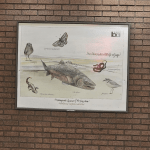
Walking through campus was nice, before and during their self-guided tour. I was surprised by the mix of nature with impressive historical buildings, it felt like an in-between of UCLA and UCSC. For both UCLA and Cal, a far better campus image compared to the hot deserts of UC Riverside.
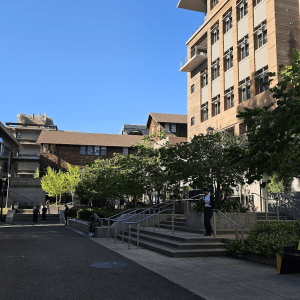
The introductory meeting had the director pitching all the benefits of the MEng program and how unique it was. Fair points, all well understood and communicated through their websites. Once good point mentioned was the ROI of the program, which I know going into a master program that these programs are notoriously a cash cow for the university. It may still be for either school… but being able to work 1 year more than a traditional 2 year MS is a plus — if any one can be hired today that is.
Nevertheless, that intro wasn’t my selling point but was a good vibes check for me. For an industry-focused program, I didn’t get the ick I did from USC as Cal seemed to value personal merit gained from the program alongside industry connections.
Afterwards was lunch and self-guided tour, which ended up being a bunch of us MEs trying to open as many random doors in the engineering building as possible to look at the makerspaces. During lunch, one of the mechanical engineering professors came up to a group of us to answer any questions we may have. He was a robotics professor, so I was finally able to ask about the distinction of the control theory courses from a academic’s POV. Very insightful.
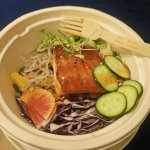
The student-led QA panel after the tour was jam packed with questions that I wish I can recite perfectly because of how informative they were (and funny). One big take-a-way was housing options for grad students and student life. I knew from an acquittance who was a Cal undergrad that the school had a big study culture, so at least the campus was more than just grind grind grind with club and interest group options.
Another take-a-way was the capstone projects. They offer hundreds of options with ties to government, industry, or academia faculty (some of these projects also end up as startups). While others can pursue direct industry projects, I can be interested in faculty research and do a traditional project much like in a MS.
Although the program is heavily advertised as industry-focused, they never shut down the possibility for PhD afterwards, albeit uncommon. In fact, that ME professor earlier is hiring a MEng student for his lab and the only limitation for transferring is having a professor willing to hire you. This program truly is what you make of it.
I had great difficulty choosing between UCLA and Cal, either option will result in a little bit of regret not choosing the other. But ultimately I ended up choosing to go to UC Berkeley, and I feel quite confident in my decision. Let me break it down:
UCLA vs. UCBerkeley
Location: ————————————————
Both schools are located in California, the only difference is between NorCal (Berkeley) and SoCal (UCLA). Although I attended school at UC Riverside, the Inland Empire is far enough away from the core LA life that I still felt there is so much left to explore in the city. Likewise can be said about Berkeley and growing up in Fremont and living in San Jose; North Bay and everyday local SF life is unexplored territory for me.
Industry however is different. If I attend UCLA, I would be interested in the connections ROMELA has with Hollywood and entertainment tech. Half of my interest in robotics stems from animatronics and media depicting engineering like Iron Man (like many other young impressionable kids), so for a long time I was always fascinated by places like Disney Imagineering. In fact, before my current job, I flew down to LA for interviews with the hopes to start a new career path in exhibit design. My interest in this field is entirely romanticized though, being the entertainment industry and all.
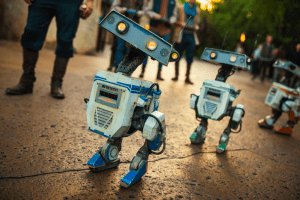
Silicon Valley does have a lot of robotics companies and startups here, so I shouldn’t be very limited in options should I study at Berkeley. Plus, with my degree it can be applied to more than just humanoid robotics, like autonomous vehicles or warehouse robotics. Or go sell my soul to Elon Musk and build him a robot butler.
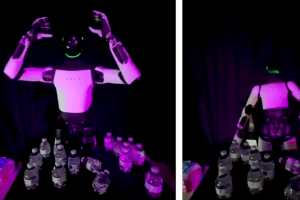
I chose Berkeley for realistic concerns on location. My family and girlfriend are here, I do have a house where half the garage is my engineering workshop. And I have always envied north bay for hosting all the indie/punk rock events, living here in south bay with very limited options unfortunately. And hey, maybe I will end up liking north bay a lot and move up there permanently.
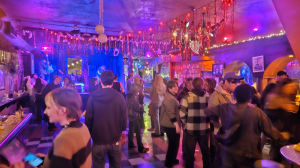
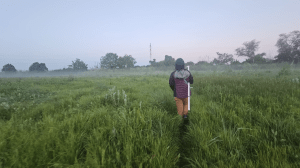
Sorry LA. I guess I’ll just have to continue flying down for events anyways.
Research: ——————————————-
Although I can get a traditional research experience from UCLA’s courses, lab, and thesis track, I feel I would be able to achieve a similar experience at Berkeley on top of the leadership courses. UCLA’s ROMELA lab is pretty packed as is and it is not guaranteed acceptance given how enticing it is. Project involvement may also be limited to the professor’s side idea rather than their lab’s main goal or not as technically rigorous, which was my experience in UCR under their robotics lab doing traditional ME design work instead of heavy robotics control exposure.
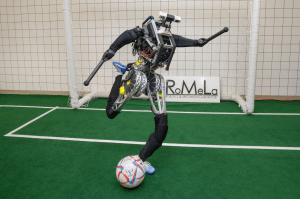
With Berkeley’s dedicated capstone project, I would not only have faculty support but also make connections with team members to learn off from. Since it is a fundamental part of the program (treated like a master’s thesis with panel presentation and all), I’m inclined to believe these teams are treated with sincerity from faculty— though I fully understand in both programs that funding is entirely dependent on the associated lab and effects by budget cuts. Plus, they should consist of members who are equally as driven to succeed, intrinsic to Berkeley students.
My interest in PhD is because of the reliance of robotic R&D on academia, since it is still a growing field. As such, with or without a PhD I will probably end up in industry no matter what (unless I truly fall in love with academic research or teaching).
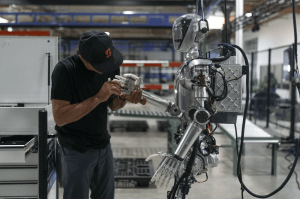
Besides, if I’m not able to build a robot at school, I can just try making one at home.
Statement of Purpose: —————————–
This is more a afterthought reflection on my career motivations and how the Berkeley MEng program aligns with it (perhaps is even why they offered a fellowship that made the tuition comparable to UCLA). As much as I wanted to receive a technically rigorous instruction, I did have interest in expanding my knowledge beyond engineering. I spent the past 3 years working with machines hands-on with the explicit purpose of being a better communicator between engineers and workers who actually manufacture, assemble, and repair their machines. The same motivation will drive me during my master program, learning about management decisions and hopefully ethics/politics regarding robotics and AI in highly relevant times. In fact, I would’ve ended up not going to grad school if I wasn’t motivated by seeing all the online discussions about generative AI within artist communities or misinformation about robotic workforces. Pure spite overruled the wall I will face brushing up on all the mathematics I haven’t done these past years.
I hope that by the end of this program I will be able to communicate not only to engineers, but fabricators, researchers, management, general public, and the creatives that have experienced the short stick with the dominance of tech culture.
I believe we need a world with more of that and less single-minded founders seeking to capitalize on their shitty ideas because no one told them no.
 kenneth chung / mechameka0 blog
Leave a comment